
Concrete Cutting Service
Our team provides expert concrete cutting services to help you choose between wet cutting vs. dry cutting, ensuring precise, safe, and effective modifications for your project.
If you're exploring options for concrete cutting projects, understanding the differences between wet cutting and dry cutting is essential. Both methods serve important roles in construction, renovation, and repair work, and choosing the right approach can impact the quality, safety, and efficiency of your project. Our team specializes in providing precise concrete cutting services tailored to each unique situation, ensuring that every cut supports the structural integrity and longevity of your property. Whether you're planning a new installation or need modifications to an existing structure, staying informed about these techniques helps property owners make practical decisions that align with their goals.
Property owners in the area often consider wet cutting versus dry cutting when planning upgrades or repairs involving concrete surfaces. Practical reasons for exploring this topic include minimizing dust, controlling noise, or managing the potential for surface cracking during cutting. Our expertise in concrete cutting means we can recommend the most suitable method for your specific needs, helping you achieve clean, accurate results without compromising safety or durability. Keep reading to discover the key differences between these techniques and how they relate to the concrete services that can support your property’s ongoing stability and performance.
- Concrete cutting services are essential when precise modifications are needed for existing structures, especially when considering wet cutting vs. dry cutting: what’s the difference? Our team approaches each project by evaluating the specific requirements to determine the most suitable cutting method, ensuring minimal disruption and optimal results. Wet cutting is often used for large-scale or deep cuts where dust control and cooling are priorities, while dry cutting is ideal for smaller, surface-level modifications. We prioritize safety and accuracy in every cut, tailoring our approach to match the project's scope and the type of concrete involved. Proper selection between wet and dry cutting helps maintain structural integrity and achieves the desired outcome efficiently.
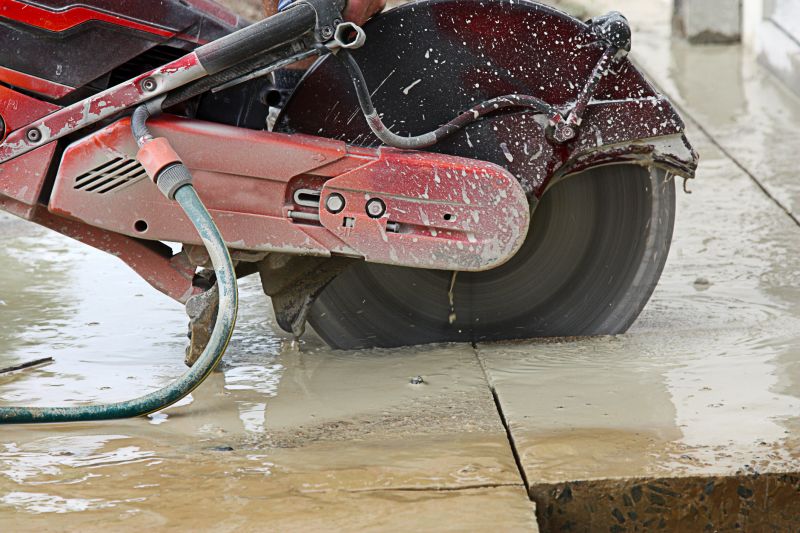
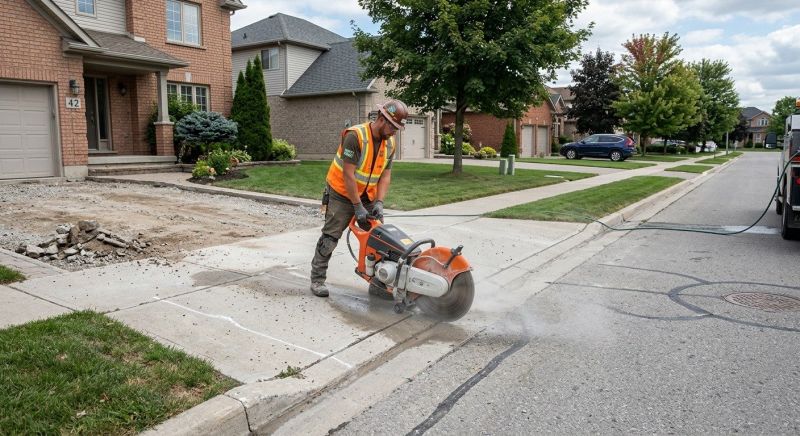
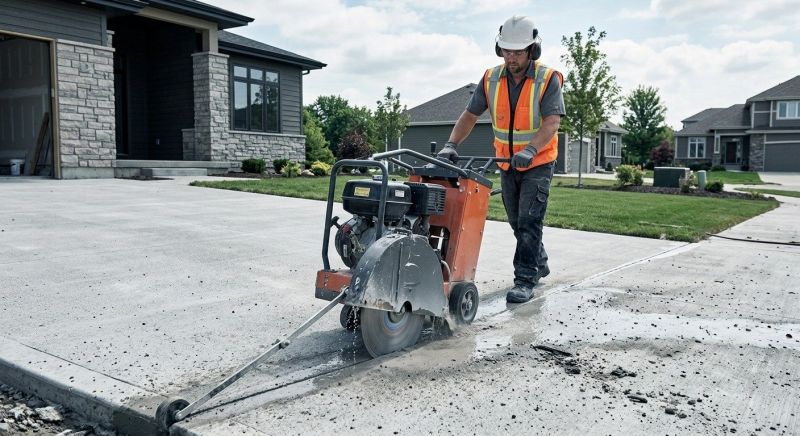
When people search for wet cutting vs. dry cutting: what’s the difference?, they are often trying to understand which method is best suited for their specific concrete project. These terms refer to two distinct cutting techniques used during concrete modifications, renovations, or expansions. Wet cutting involves using water to cool the blade and suppress dust, making it a common choice for projects where dust control and minimizing airborne particles are priorities. Dry cutting, on the other hand, relies solely on the blade’s own cooling system without water, which can be more convenient in certain settings but may produce more dust and heat. Understanding these differences helps property owners determine the most appropriate approach for their needs, especially when planning for utility access, expansion, or renovation work.
The choice between wet and dry cutting often relates to the type of project at hand and the specific properties of the concrete involved. For example, when cutting through thicker or denser concrete, wet cutting is generally preferred because it reduces dust and keeps the blade cooler, which can extend its lifespan. Wet cutting is also advantageous for indoor projects or environments with strict dust control requirements, as the water helps contain debris. Conversely, dry cutting is typically used for smaller cuts or in situations where water use is impractical, such as in areas with limited drainage or where water could cause damage. Both methods are essential tools for addressing problems like creating openings for utility lines, installing new fixtures, or modifying existing structures, ensuring the work is precise and minimally disruptive.
The properties of the concrete surface also influence the choice between wet and dry cutting. Properties such as thickness, reinforcement (rebar), and surface finish impact which method is more suitable. Thicker concrete or surfaces reinforced with steel tend to generate more heat during cutting, making wet cutting the safer and more effective option. Additionally, the finish of the concrete-whether smooth or textured-can determine the level of precision needed and whether dust suppression is necessary. Our concrete cutting services are equipped to handle a range of property types, ensuring that the chosen method aligns with the specific demands of each project. By selecting the right technique, property owners can achieve cleaner cuts, better results, and a safer working environment.
In practical terms, understanding wet cutting vs. dry cutting: what’s the difference? helps property owners plan renovations, expansions, or repairs more effectively. Whether it’s creating access points for plumbing or electrical work, enlarging a doorway, or installing new features, choosing the right cutting method is key to maintaining structural integrity and ensuring a smooth process. Our team’s expertise in concrete cutting allows us to recommend and perform the most suitable approach for each project, considering factors like environmental conditions, concrete properties, and project scope. This ensures that modifications are completed efficiently, with minimal disruption and optimal results, making our concrete cutting services a reliable solution for a wide range of residential and commercial needs.
Understanding the difference between wet cutting and dry cutting is essential when planning concrete projects requiring precision and safety. Wet cutting involves the use of water during the cutting process, which helps to suppress dust, reduce heat, and minimize the risk of cracking or damaging the concrete. This method is particularly effective for cutting through thick or reinforced concrete, as the water cools the blade and prevents overheating. Dry cutting, on the other hand, does not incorporate water and is typically used for smaller or less intensive cuts. While it produces less mess and is more convenient in some situations, it generates a significant amount of dust and heat, which can pose safety concerns and impact the quality of the cut if not managed properly.
For projects involving concrete cutting services, choosing between wet cutting and dry cutting depends on several factors including the scope of work, safety considerations, and the desired finish. Wet cutting is often preferred for larger or more precise cuts, such as utility access points or expansion joints, because it ensures a cleaner cut with less dust and reduced risk of surface damage. Dry cutting might be suitable for smaller modifications or when water use is restricted, but it requires additional dust control measures to maintain a safe work environment. Skilled concrete cutting professionals can evaluate the specific needs of each project and recommend the most appropriate method to achieve reliable results while maintaining safety standards.
Our company specializes in providing expert concrete cutting services that incorporate both wet and dry cutting techniques, tailored to meet the demands of each project. By utilizing advanced equipment and adhering to best practices, we ensure that every cut is performed with precision, safety, and efficiency. Whether it’s a large-scale renovation or a small modification, understanding the differences between wet cutting vs. dry cutting helps clients make informed decisions about their concrete work. Our focus remains on delivering quality results that uphold the structural integrity of the project while addressing safety and environmental considerations throughout the process.
Foundation Repair Projects - our concrete cutting services are essential for foundation repair, where precise cuts are needed to access and stabilize existing structures, especially when addressing issues related to wet cutting vs. dry cutting: what’s the difference?
Utility Access Installations - when installing utility lines or pipes through existing concrete surfaces, our team uses specialized cutting techniques that align with the requirements of wet or dry cutting methods to ensure minimal damage and accurate results.
Concrete Expansion and Contraction Joints - creating control joints in slabs involves careful planning and cutting, which directly relates to understanding the differences between wet cutting and dry cutting for optimal joint placement.
Renovation and Remodeling Projects - modifying existing concrete structures, such as removing sections or creating openings, requires precise cutting skills that depend on the appropriate method-wet or dry-based on the project scope.
Decorative Concrete Work - installing stamped or textured concrete surfaces often involves cutting for design or utility purposes, where choosing between wet and dry cutting impacts finish quality and surface integrity.
Slab and Surface Leveling - our lifting and leveling services often require cutting and removal of sections, making knowledge of wet cutting vs. dry cutting techniques vital for maintaining structural stability and surface quality.
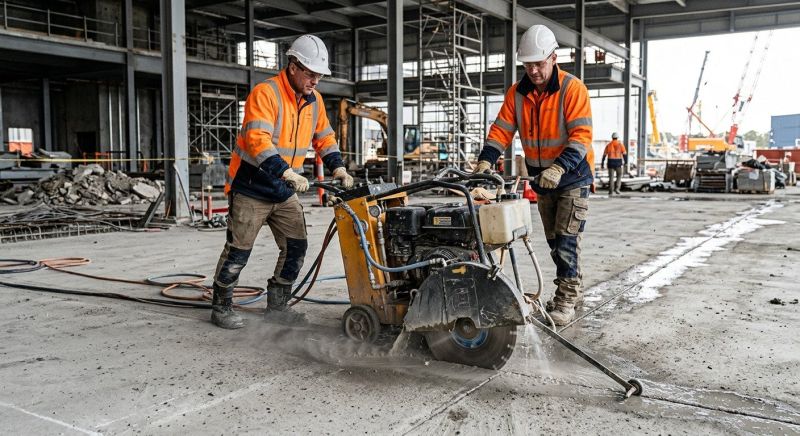
When evaluating options for concrete cutting projects, understanding the differences between wet cutting and dry cutting is essential. Experience with similar projects can provide valuable insight into which method might be most suitable. For example, if a project involves cutting through dense or reinforced concrete, knowing whether previous work required wet or dry techniques can help determine which approach offers better results in terms of efficiency and safety. Our team draws on extensive experience with a variety of concrete cutting projects, enabling us to recommend the most appropriate method based on the specific requirements and conditions of each job.
Clear written expectations are also crucial when comparing wet cutting versus dry cutting. Each method has distinct advantages and limitations that should be communicated upfront, such as potential dust generation, noise levels, and the need for water management. By establishing a detailed scope of work and outlining the expected outcomes, property owners can make informed decisions and avoid surprises during the project. Our company emphasizes transparent communication and provides comprehensive explanations of the techniques involved, ensuring that clients understand what to expect and how each method aligns with their project goals.
Reputable references and good communication are key factors when choosing a concrete cutting service. Hearing about successful experiences from previous clients or viewing examples of similar projects can instill confidence in the chosen method. Moreover, maintaining open lines of communication allows property owners to ask questions, express concerns, and receive updates throughout the process. Our team prioritizes clear, consistent communication and can provide references from past projects that highlight our expertise in both wet and dry cutting techniques. This approach ensures that clients are well-informed and comfortable with the selected method, leading to a smoother and more predictable project outcome.
Property owners often search for wet cutting vs. dry cutting: what’s the difference? when they are planning practical projects around their homes and businesses. Our team provides Concrete Cutting services for everyday jobs and straightforward project options.
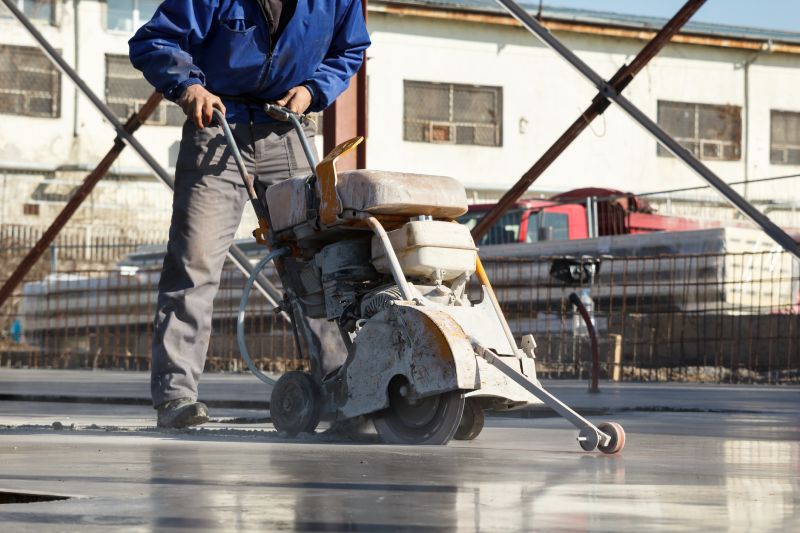
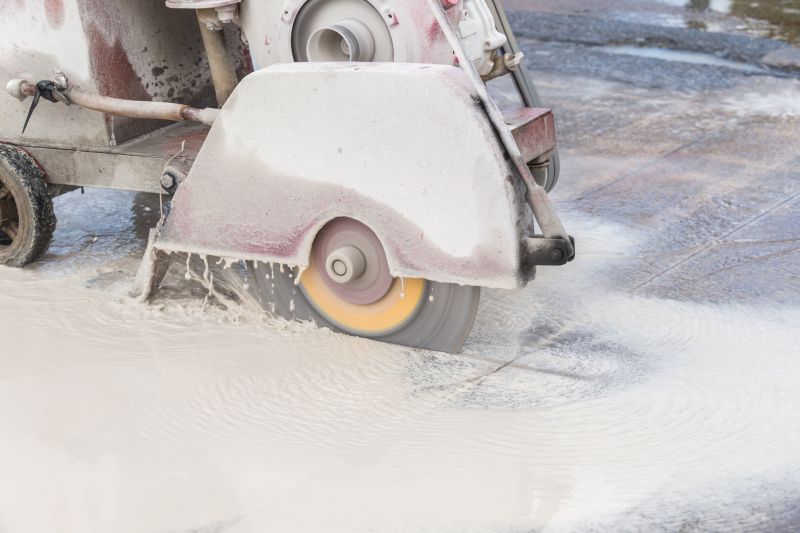
Understanding the difference between wet cutting and dry cutting can be important for property owners tackling renovation or expansion projects. When modifications involve cutting into existing concrete, choosing the right method can impact the safety, cleanliness, and efficiency of the job. Wet cutting involves using water to cool the cutting blade and suppress dust, making it a practical choice for projects where minimizing airborne particles and controlling debris are priorities. Dry cutting, on the other hand, does not use water and is often favored for smaller or indoor projects where water runoff could cause issues. Our concrete cutting services are equipped to handle both methods, ensuring that each project is completed with precision and attention to the specific needs of the job site.
For everyday project situations like installing utility lines, enlarging doorways, or creating access points, property owners may find themselves researching whether wet cutting or dry cutting is more suitable. The decision often depends on factors such as dust control, workspace environment, and the type of concrete being cut. Wet cutting is typically preferred for outdoor projects or when dust suppression is critical, while dry cutting may be used in confined indoor spaces where water use is limited. Our team provides expert concrete cutting services that incorporate the appropriate technique for each situation, helping ensure that modifications are performed safely, efficiently, and with minimal disruption to the property.
What is the main difference between wet cutting and dry cutting in concrete work? Wet cutting uses water to cool the blade and reduce dust, while dry cutting does not, generating more dust and heat during the process.
Why might wet cutting be preferred for certain concrete projects? Wet cutting is often chosen because it minimizes dust and keeps the blade cooler, which can extend its lifespan and improve cutting accuracy on sensitive or large-scale jobs.
Are there any advantages to dry cutting over wet cutting? Dry cutting can be more convenient in environments where water use is restricted or impractical, and it allows for quicker cleanup since no water runoff is involved.
What safety considerations are associated with wet and dry cutting? Wet cutting reduces airborne dust, improving air quality, while dry cutting produces more dust, requiring proper dust extraction and respiratory protection for safety.
How does the choice between wet and dry cutting impact concrete repair or renovation projects? Wet cutting is generally preferred for precise, clean cuts in repair or renovation work due to less dust and better blade cooling, helping maintain structural integrity during modifications.
Understanding cutting methods - Knowing the difference between wet cutting and dry cutting helps property owners choose the right approach for specific projects, such as creating precise openings or modifications in concrete slabs.
Managing dust and debris - Wet cutting minimizes dust and cleanup during renovation or utility access, making it a practical choice for indoor or confined space projects.
Handling heat and material properties - Dry cutting generates less water use and is suitable for quick cuts on smaller or less thick concrete sections, reducing project delays.
Ensuring structural integrity - Our team applies the appropriate cutting technique to preserve the strength and stability of existing concrete structures during repairs or modifications.
If you are thinking about wet cutting vs. dry cutting: what’s the difference? for a property, this guide is meant to help you understand this topic, the typical project types, and how different options might fit your plans.
When you are ready, you can use the quote form on this page to share a few details about your project. From there, our team can review the basics and follow up with options that match what you have in mind.